Why CHRP?
Timeline
Pre-REDD Activity
PRE-FEASIBILITY
2011-2012
FEASIBILITY
2012-2013
PDD DEVELOPMENT
2013-2014
VALIDATION
FEB - AUG 2015
1ST VERIFICATION
NOV 2016 - APR 2017

REGISTRATION
MAY - JUNE 2017
-
2ND VERIFICATION
NOV 2020 - AUG 2021
-
REGISTRATION
JAN - SEP 2022
-
CREDIT MARKETING & SALES
2017 - 2043
History
Stewarded by nine independent organizations, the Chyulu Hills REDD+ project (CHRP) protects and conserves the large, vital ecosystem of Chyulu Hills, Kenya, and its surrounding communities. This project has helped prevent emissions by stopping deforestation, forest degradation, grassland conversion, and restoring degraded forest and grassland areas. The landscape was threatened by wildfires, unsustainable land use including unplanned agricultural expansion, and unsustainable extractive practices such as charcoal burning and the collection of wood. Carbon credit revenue has helped make the landscape more resilient to wildfires by funding firefighting training and equipment. Revenue has helped protect and restore different ecosystems by funding activities such as tree seedling planting and increased patrolling for protected areas.
Why the project is needed
The selected project area is a highly diverse ecosystem, encompassing montane cloud forests, grassland savannahs, and the Chyulu Hills watershed, which supplies 30% of Mombasa’s water. This critical land bridge supports a variety of threatened species, including African elephants and the critically endangered black rhino. However, the region faces significant environmental threats, including agricultural encroachment, unsustainable extractive practices such as charcoal burning and wood collection, poaching, illegal settlements, and unsustainable water offtake. Before the implementation of the Chyulu Hills REDD+ project, insufficient funding led to weak enforcement of park boundaries, allowing uncontrolled access that contributed to ecosystem degradation and deforestation. Between 2013 and 2022, the reference area experienced a deforestation rate of 1.018% per year. Additionally, Kenya's rapidly growing population—expected to reach 57.8 million by 2030—poses further risks as increased demand for land drives deforestation. Many surrounding communities, traditionally pastoralists and sedentary agriculturalists, face underemployment and gender-based discrimination, often resorting to unsustainable activities for income. Climate change-induced droughts further exacerbate these challenges, threatening local livelihoods and forcing communities to engage in environmentally harmful practices out of necessity.
Our Landscape
All habitat and ecosystem of Chyulu
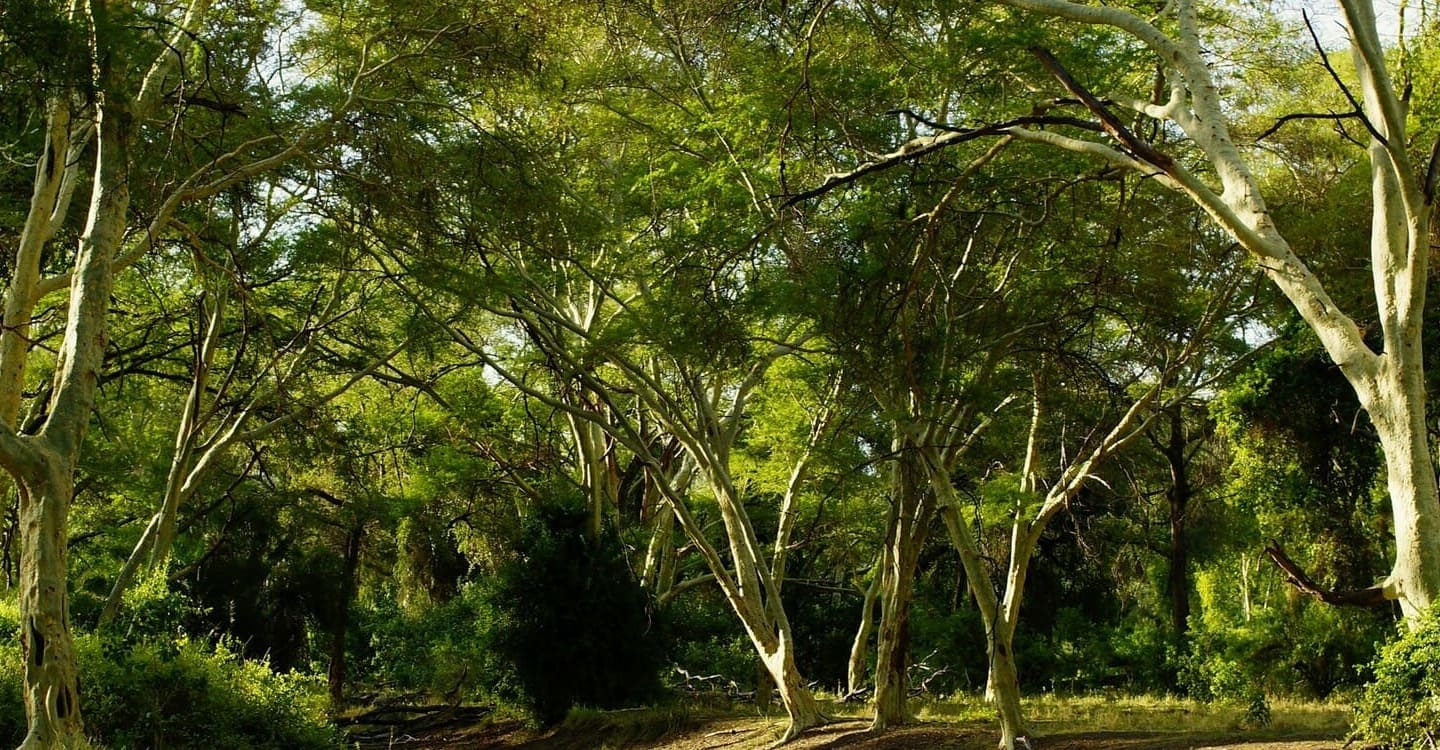
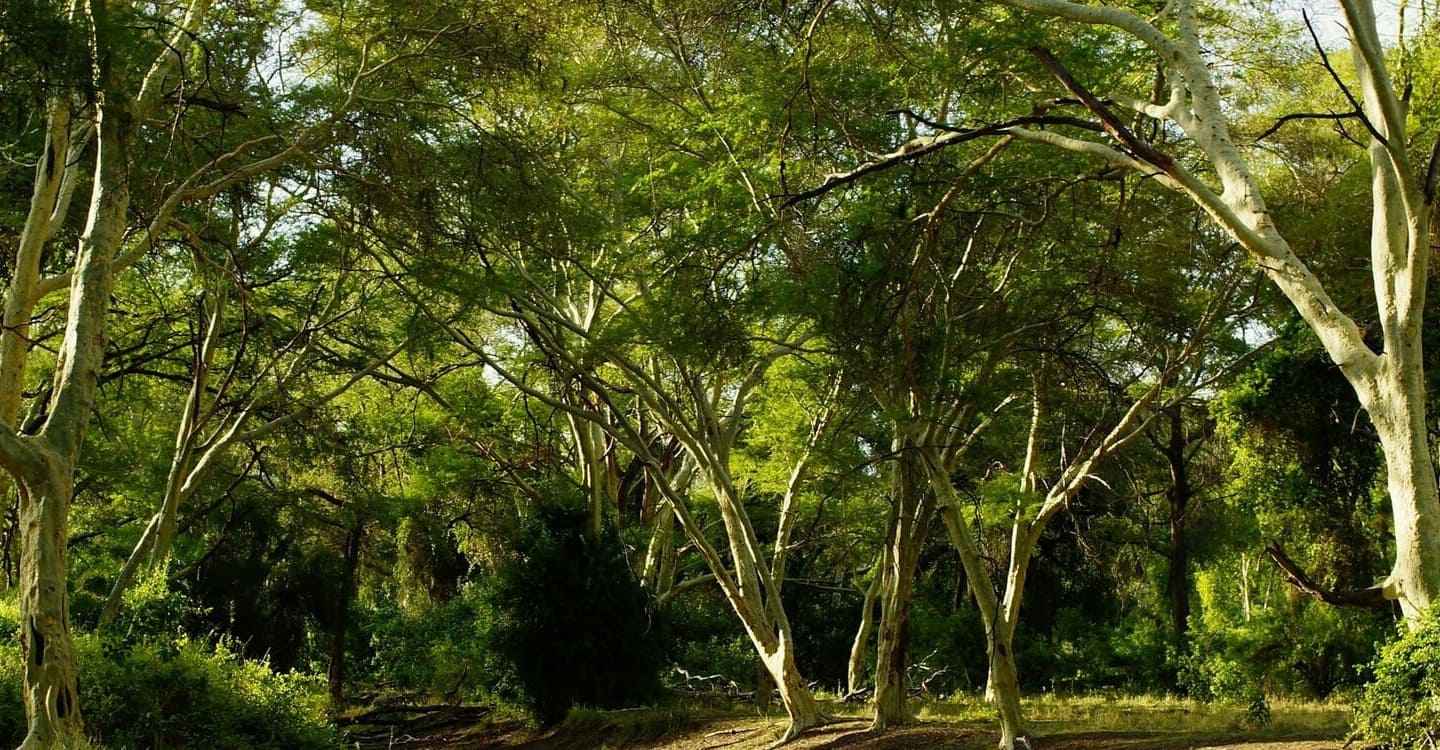
The Chyulu Hills ecosystem in Kenya is a breathtakingly diverse landscape that spans montane cloud forests, savannah grasslands, volcanic lava flows, and dense woodlands, creating a rich mosaic of habitats that support an incredible variety of wildlife and plant species. Located between Amboseli and Tsavo National Parks, the Chyulu Hills serve as a critical ecological corridor for species movement and genetic exchange, making it an essential component of Kenya’s conservation landscape. The region is characterized by its rolling green hills, black volcanic soils, and underground lava tube caves, some of the longest in the world, which add to the area's unique geological and ecological significance. (PHOTOS)
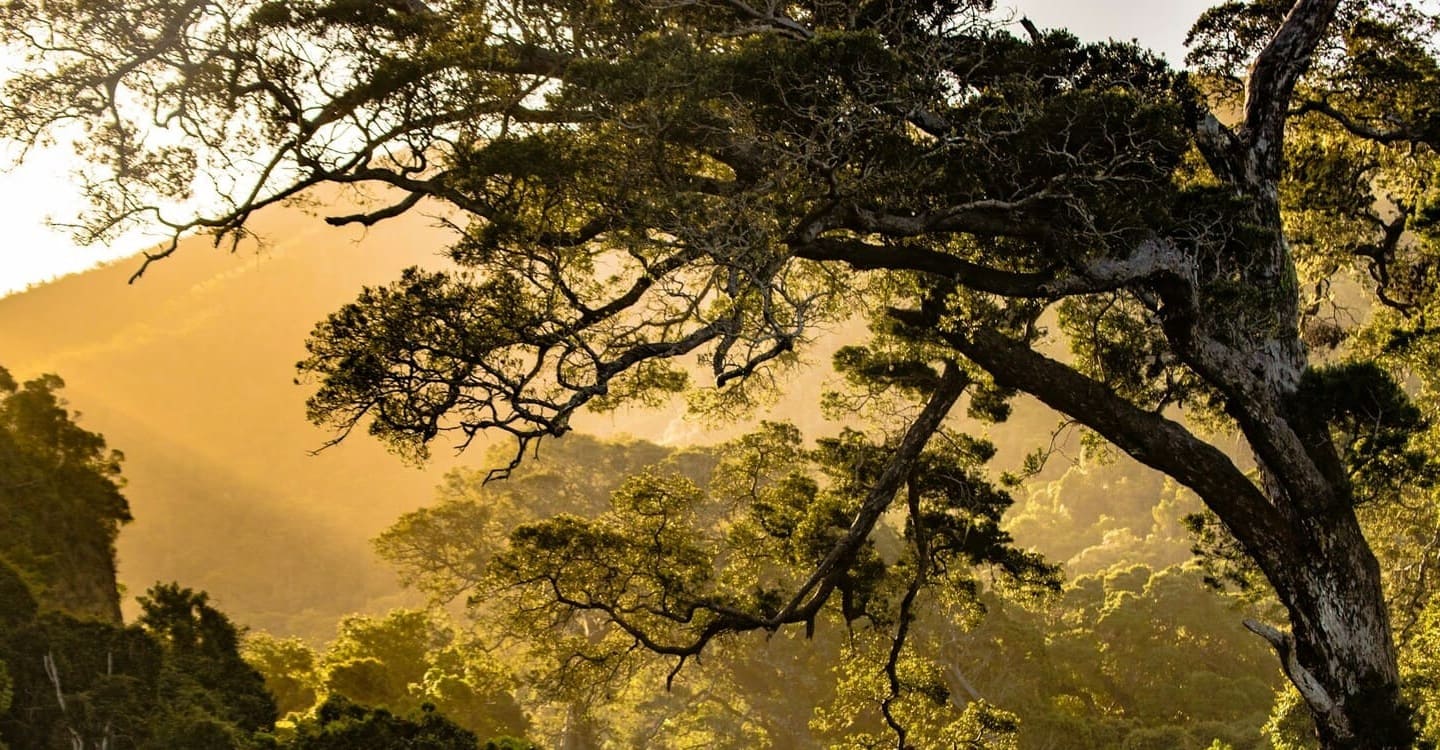
One of the most remarkable features of Chyulu Hills is its montane cloud forest, which plays a crucial role in water catchment. The Chyulu Hills watershed provides approximately 30% of Mombasa’s water supply, with moisture-laden clouds feeding underground aquifers that sustain both local communities and wildlife.
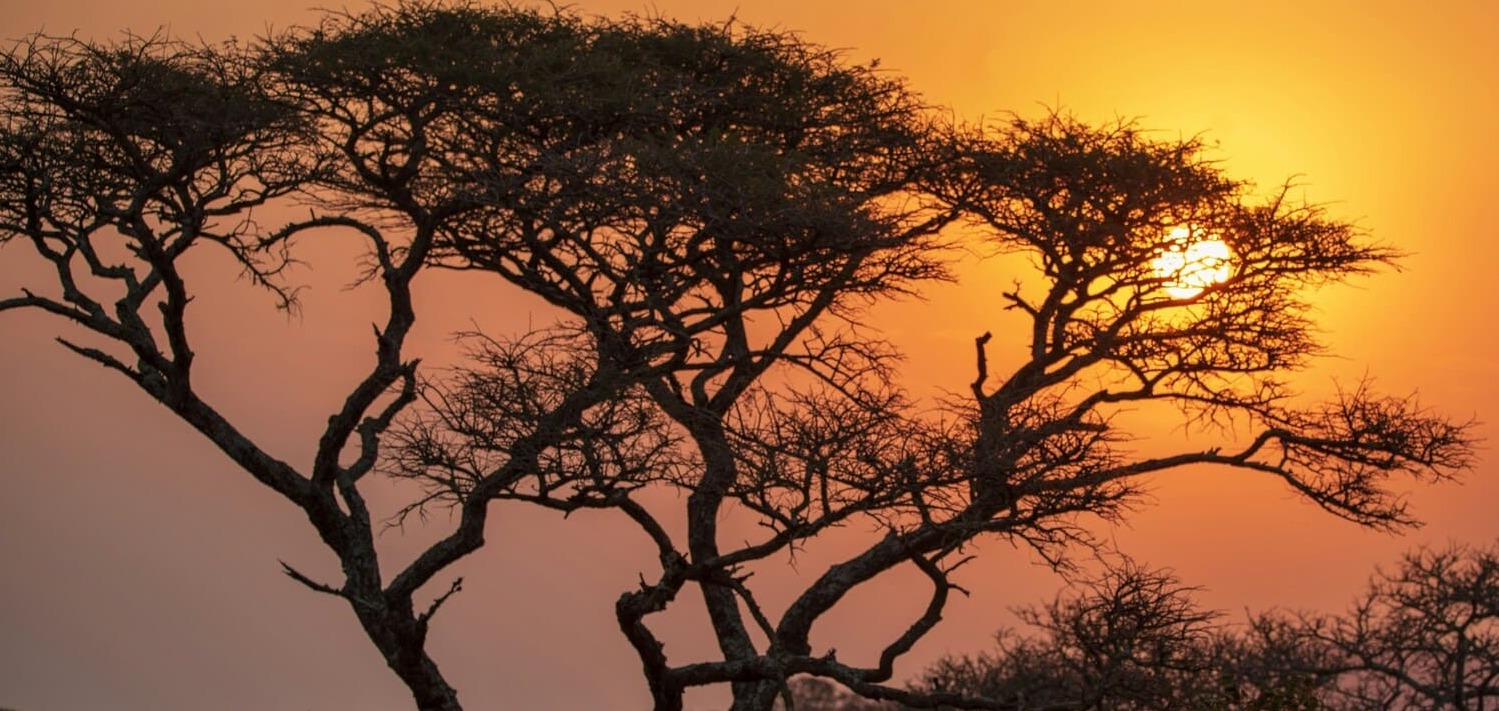
Beyond the forests, the Chyulu Hills transition into expansive savannah grasslands and acacia woodlands, which provide grazing grounds for a vast array of wildlife, including zebras, giraffes, elands, and buffalo. The grasslands also support a variety of predators, such as lions, leopards, and cheetahs, which play a vital role in maintaining ecological balance. The region is also home to the critically endangered black rhino, which depends on these diverse landscapes for survival. Additionally, Chyulu Hills provides habitat for over 300 bird species, making it a significant area for bird conservation.
Adding to its ecological uniqueness, the Chyulu Hills contain ancient lava flows and volcanic cones, remnants of the region’s geologically recent volcanic activity. These lava fields, covered with sparse vegetation, create a striking contrast to the lush forests and rolling savannahs. They provide refuge for small mammals, reptiles, and specialized plant species adapted to the rocky terrain. The region's underground lava tube caves, such as the Leviathan Cave, are among the longest lava tubes in the world, adding to the area's geological wonder.
Together, these diverse habitats make the Chyulu Hills one of the most ecologically important and visually stunning landscapes in Kenya. Its variety of ecosystems not only supports biodiversity conservation but also sustains local communities by providing essential resources such as water and grazing land. However, these landscapes face threats from deforestation, agricultural expansion, and climate change, underscoring the importance of conservation efforts like the Chyulu Hills REDD+ Project, which seeks to protect this unique ecosystem for future generations.